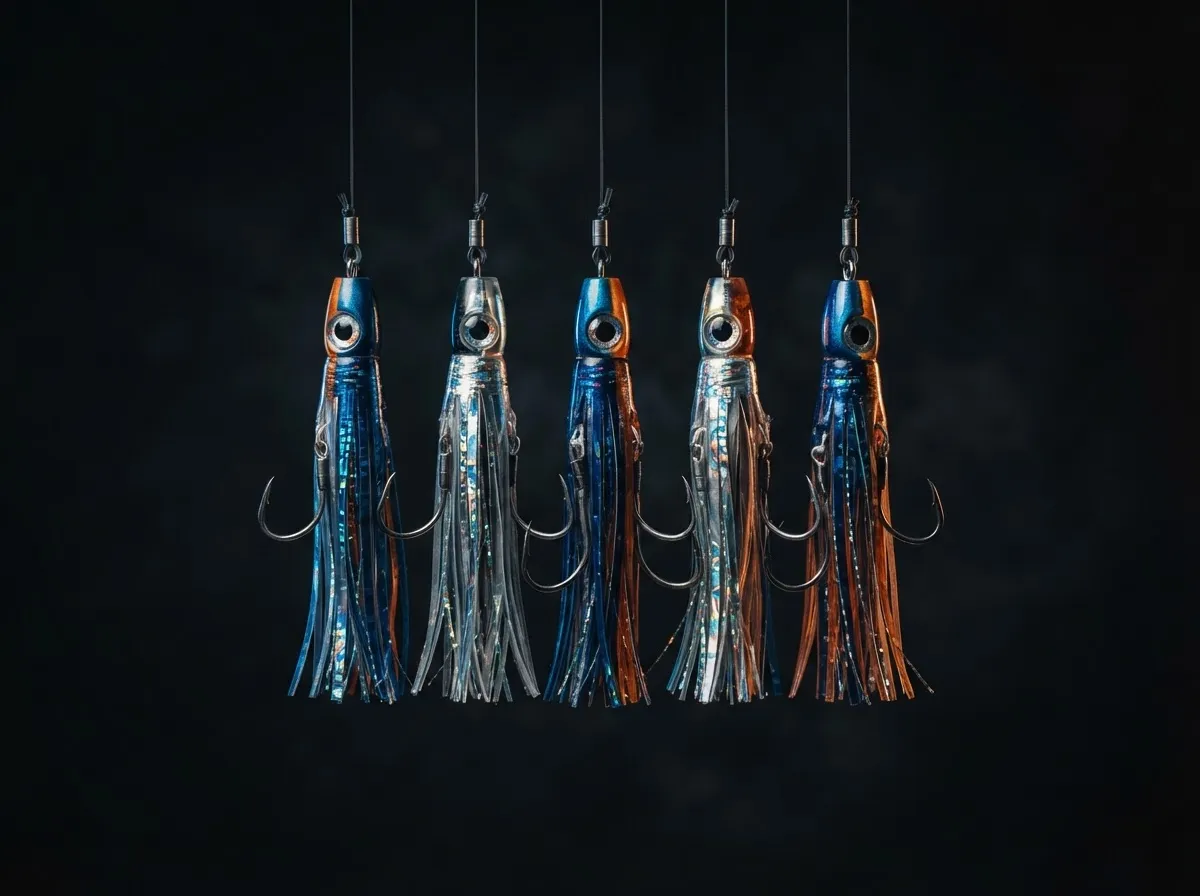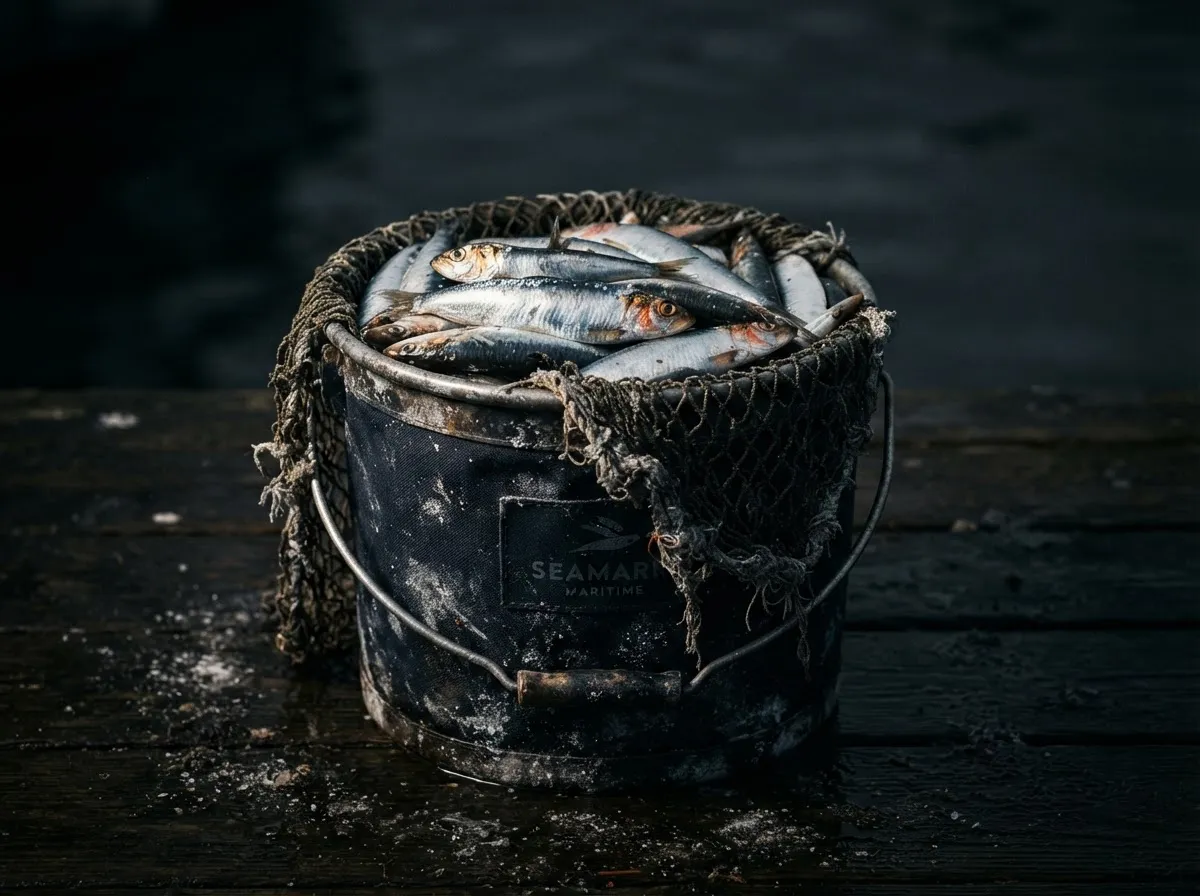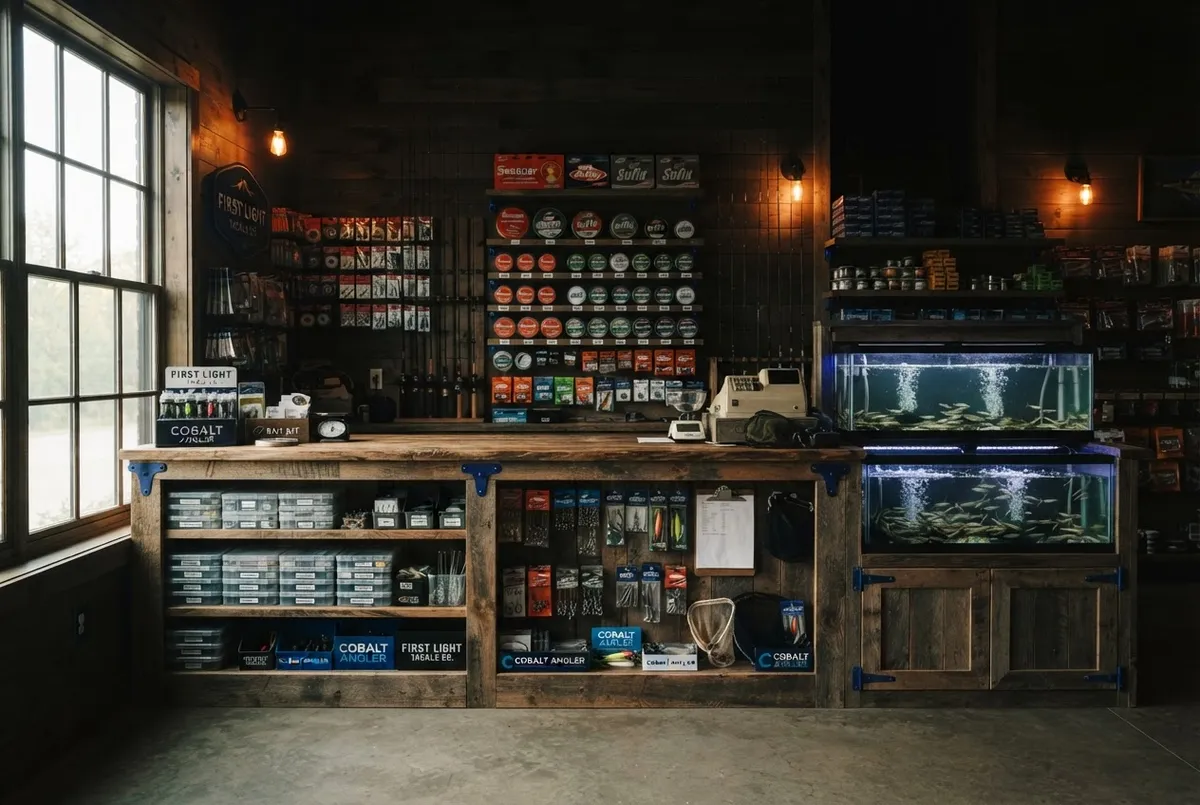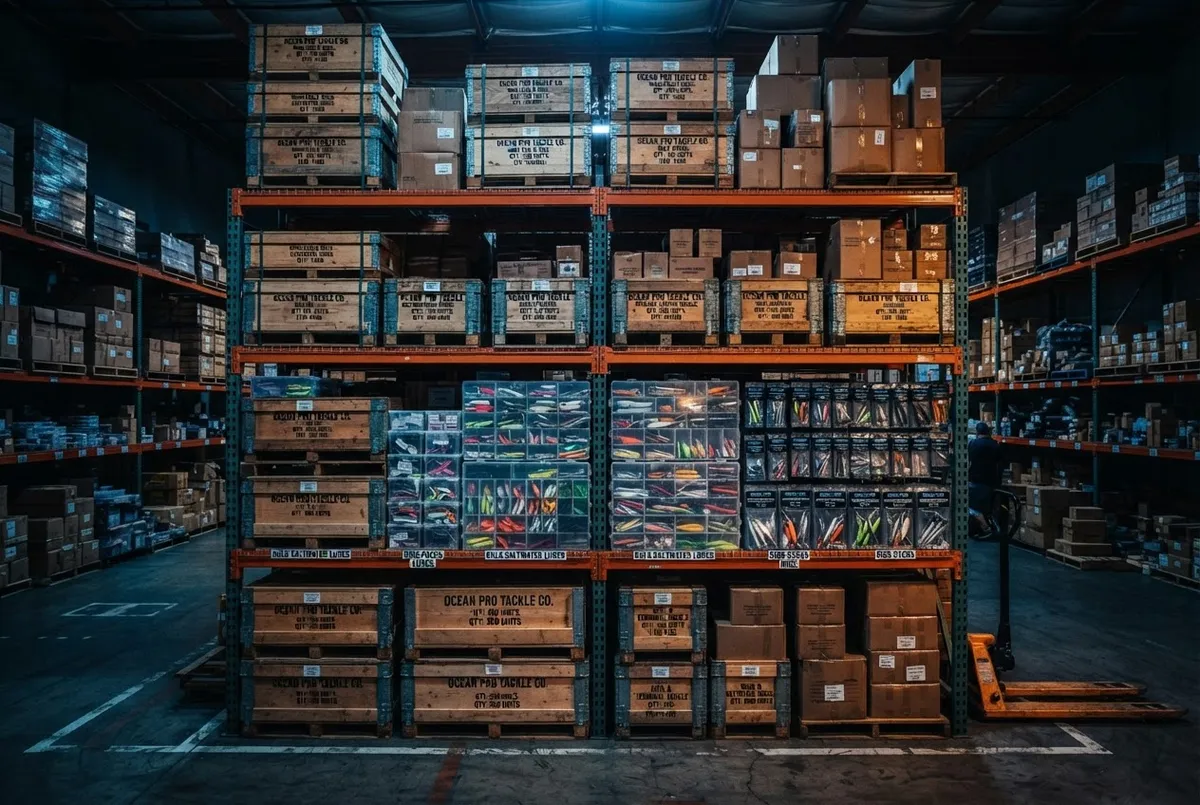
Forged hardware, iridescent scales, and tournament-tuned skirts built to survive crushing pelagic strikes and relentless offshore brine.

Precision-poured balanced heads wrapped in multi-tier ultraviolet skirts, matched with razor-sharp forged hooks designed for high-speed blue water trolling.

Pristine goggle eyes, shrimp, and pilchards preserved in temperature-calibrated oxygenated wells. Vigorous, unblemished bait ready for retail fisherman spreads.

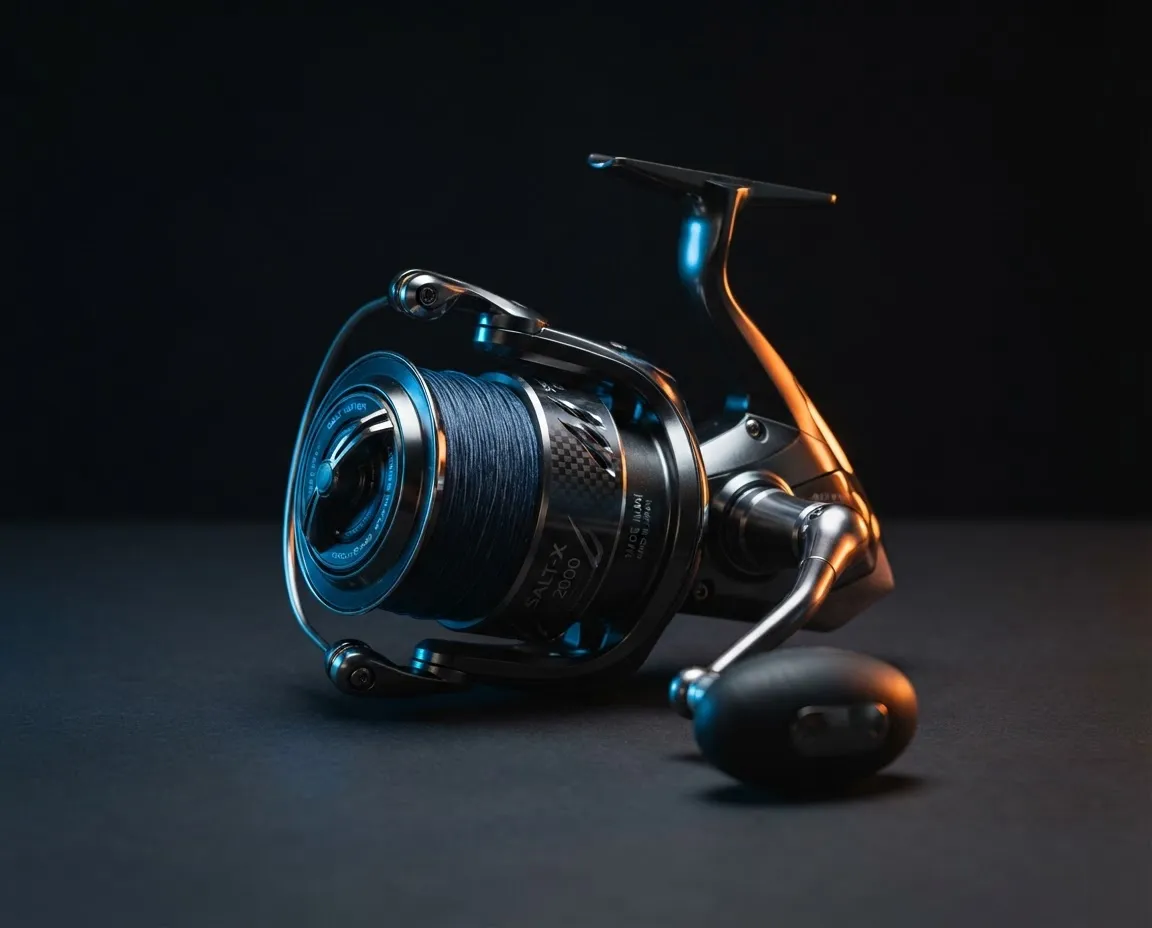
Zero-failure ball-bearing swivels, abrasion-resistant leader line, and bench-tested terminal links engineered for offshore retail fisherman longevity.
Structured bulk volume discounts, guaranteed live-well inventory, and prioritized inlet logistics designed specifically for retail fishermen, coastal outfitters, and regional marina shops.
Stop paying retail markups on the mission-critical consumables that power your daily operation. Our wholesale channel gives local captains, bait shacks, and guide services direct tiering backed by contract guarantees for retail fishermen.


Automated price breaks applied on weekly mixed cases of terminal gear, fluorocarbon spools, and live bait dozens.
Your charters run on strict tidal windows. We coordinate scheduled dockside handoffs directly to your slip before 05:00 AM, packaging live, fresh-frozen, and boxed gear to eliminate pre-trip turnarounds.

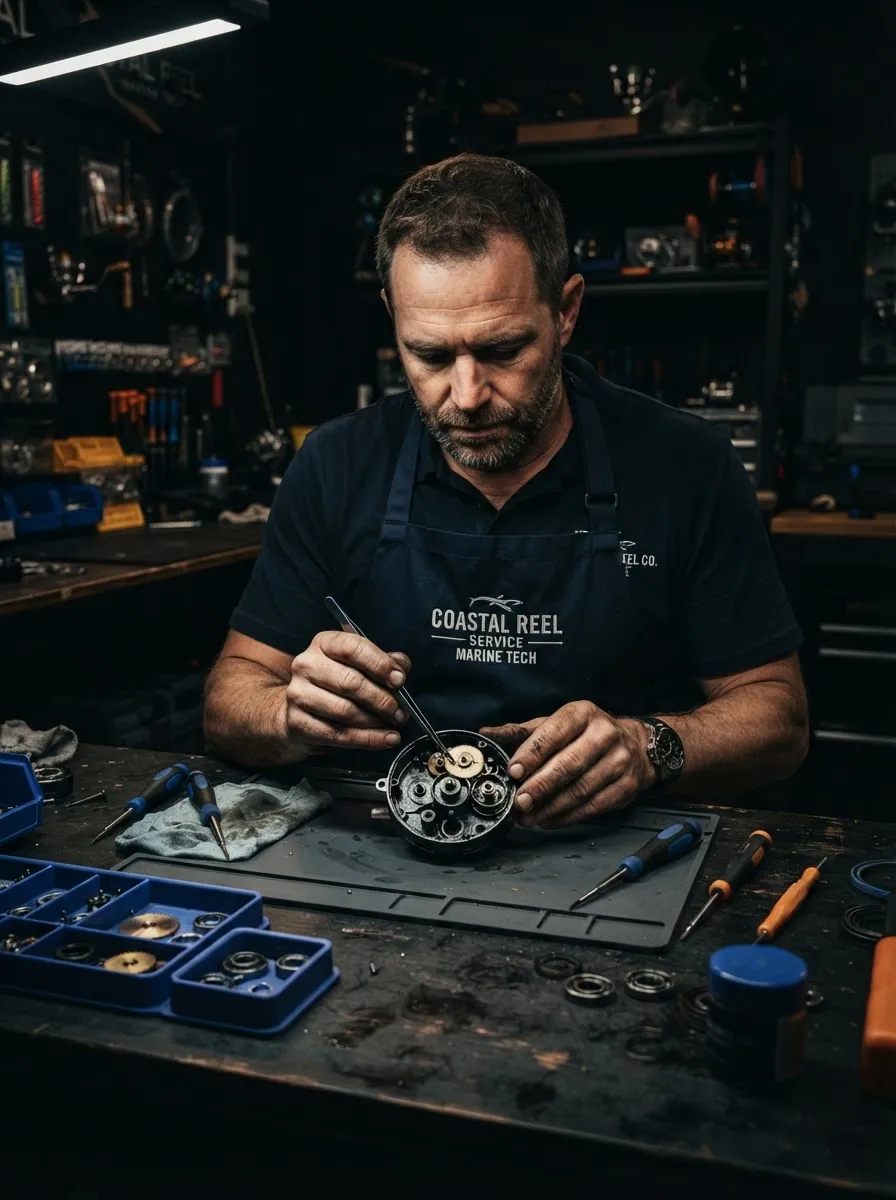
Generic tackle outlets sell packaged boxes. SSS services what saltwater, harsh tides, and monster pelagics grind down. From custom tournament bridle rigs to complete drag overhauls, our bench keeps retail fisherman and competitive crews running without costly downtime.
Priority 24-hr turnaround available for registered charter accounts

Over 40 active offshore captains rely on our 4:30 AM dockside runs, tournament flats, and retail fisherman bulk accounts.
When you run double offshore trips daily, dead bait kills business. SSS Inlet supplies us with lively goggle-eyes and bulk pilchards that stay kicking in our livewells all morning. Unrivaled consistency.

We order 50-lb flats of Spanish sardines and tournament-grade terminal tackle for sunrise departures. Packed fresh on ice, precisely labeled, and waiting at the dock every single time.

Their custom line-spooling and retail fisherman fleet pricing have saved our charter operation thousands this season alone. Having a tackle partner that understands marine commercial pace is indispensable.


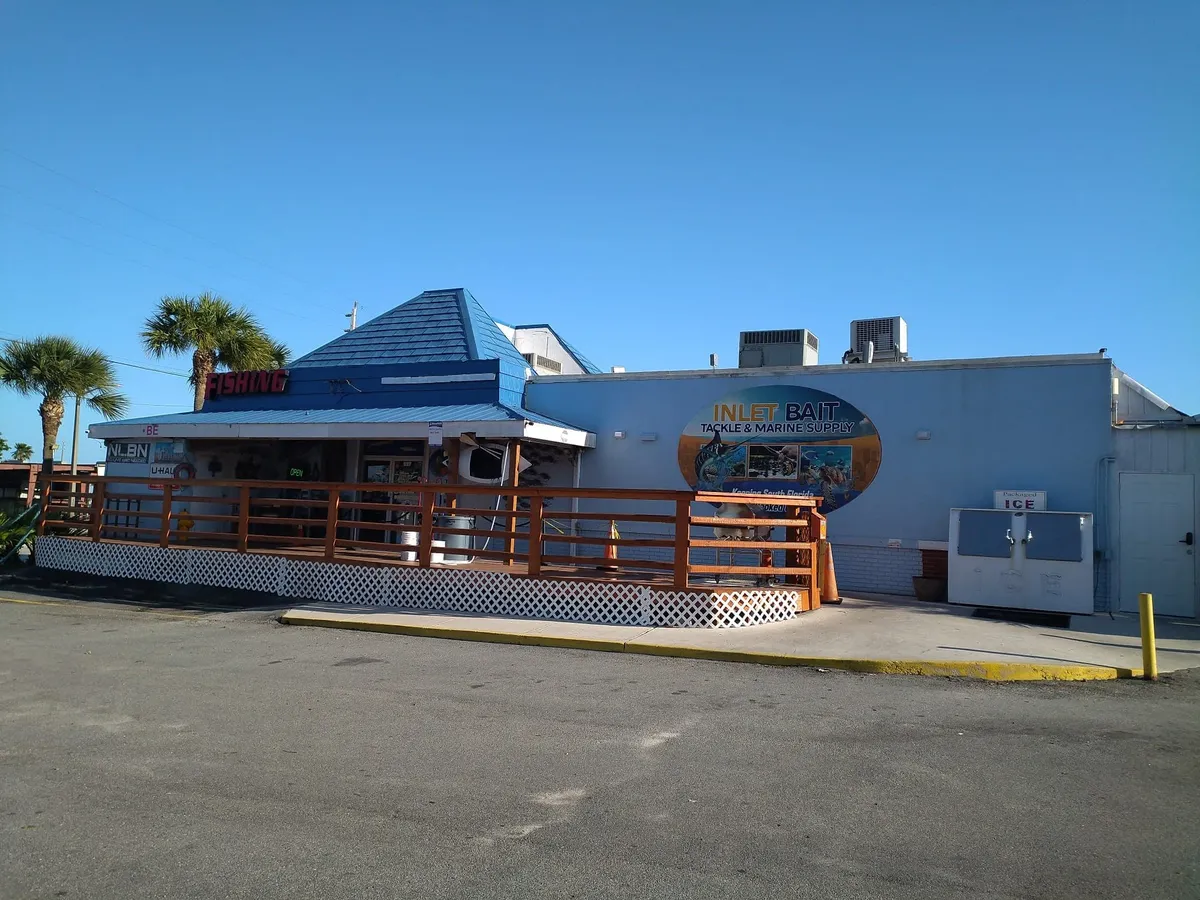
Serving coastal anglers, seasoned charter captains, and visiting families with dependable gear and battle-tested local expertise. From fresh daily bait to custom terminal rigs and precision line spooling, our team provides everything retail fishermen require to turn tides into trophies.
Eliminating amateur technical oversights is what separates weekend skunks from trophy hauls. Review our master tactical breakdown across inshore flats, offshore blue water, and tidal river marsh systems before your next launch.

Fishing dead slack water is the fastest way to burn daylight with zero bites. Predatory inshore species like snook, redfish, and seatrout rely on moving current to disorient baitfish along oyster bars, mangrove points, and channel edges. Always time your runs around the first two hours of incoming or outgoing tide when active feeding seams develop.
Rigging 40lb to 50lb monofilament on gin-clear 2-foot grass flats will immediately spook pressured trophy fish. Match leader diameter to clarity: drop down to 15lb to 20lb fluorocarbon for sight-casting redfish and permit, reserving heavy shock leaders strictly for abrasive mangrove root pockets or bridge pilings.
Shallow water transmits acoustic shockwaves instantly. Running a bow-mount trolling motor on high frequency, slamming hatch lids, or allowing waves to slap a wide hull will flush flats hundreds of yards ahead. Cut main engines early, pole silently downwind, and drift into your strike perimeter without unnatural vibration.
Throwing large 5-inch mullet profiles when predators are dialed in on tiny spring glass minnows or micro-shrimp yields endless refusals. Examine dock lights, gut contents of caught fish, and shoreline bait schools. Downsize or upsize lure profiles and sink rates to mirror the exact forage species moving through that tidal cycle.
Retrieving your lure downcurrent toward moving predators forces an unnatural presentation that fish rarely chase. Trophy gamefish face directly into the current waiting for wash-downs. Cast upcurrent past target structure and retrieve downstream with the natural flow so your presentation drifts directly into the predator's ambush cone.
Testing drag resistance by pulling line by hand at the dock is notoriously inaccurate and causes pulled hooks or sudden break-offs on initial high-speed pelagic runs. Use a handheld spring or digital scale to calibrate your strike drag to exactly 25% to 30% of your mainline's rated breaking strength with the rod loaded at a 45-degree angle.
Tooth-abrasion from kingfish, bill-wear from sailfish, or rough leader rubs against bottom structure severely degrade terminal strength. Inspect the bottom six feet of leader and connection knots with your fingertips after every single strike or retrieve. Retie immediately if you detect the slightest roughness.
Dragging lures across barren uniform blue water burns fuel and wastes prime charter hours. Target dynamic oceanic edges: satellite-verified sea surface temperature breaks, defined sargassum weedlines, blue-to-green color transitions, and upwelling thermoclines where nutrient chains concentrate apex pelagics.
More trophy wahoo, tuna, and dolphin are lost within 10 feet of the transom than anywhere else due to chaotic deck organization. Clear all deck rods, pre-position matching lip and body gaffs, assign angler and mate duties, and keep landing nets within arm's reach long before the swivel breaks the surface.
Running all spread baits on the surface misses deep-cruising pelagics holding below the warm upper layer. Stagger your spread through the entire water column: deploy surface outriggers, flat-line skip baits, a mid-column planer board, and a deep downrigger or weighted lead line to intersect fish feeding at thermocline depth.
Heavy inland downpours flush freshwater downriver systems, dropping salinity and pushing euryhaline predators like snook, redfish, and tarpon toward deeper, saltier estuary channels and outer inlet bars. Track river gauges after storms and follow the retreating salt wedge toward main bays.
As tides recede, vast marsh plains drain baitfish and crabs through tight gut mouths and feeder creek confluences. Failing to anchor upcurrent of these drains during falling water means missing concentrated feeding frenzies. Target the deeper scour holes immediately outside these drain mouths.
Brackish water contains enough dissolved sodium chloride to corrode standard freshwater split rings, bronzed treble hooks, and non-sealed reel bearings in under 48 hours. Switch out hardware to tin-plated or 4X strong stainless steel hooks, and thoroughly rinse all reels with low-pressure fresh water and reel mist after every trip.
In fast-moving tidal river bends, predators conserve energy by staging tight behind sunken cypress knees, dock pilings, and shoreline eddy breaks where counter-currents trap disoriented forage. Avoid casting into open mid-channel current; pitch tight to back-eddy seams where fish hold without fighting main flow.
Brackish predators encounter both heavy saltwater forage and cautious freshwater prey. Rigidly throwing oversized offshore gear or delicate ultralight bass gear leads to failure. Success demands hybrid finesse: pairing heavy-duty saltwater fluorocarbon leaders with responsive medium-action bass-style swimbaits, chatterbaits, and weedless soft jerkbaits.

Outfitting coastal charter fleets, retail fishermen, and inlet anglers with tournament-grade tackle and premium fresh live bait since 1994.
927 N US Hwy 1
Fort Pierce, Fl 34950
Monday - Sunday:
7:00AM - 7:00 PM EST
Live tank restocking at 5:00 AM daily
Direct Dock Line:
(772) 999-4199
© 2026 SSS Inlet Bait & Tackle. All rights reserved. Retail Wholesale & Inlet Operations.